



Modern Estate Planning For Generational Wealth
Integrating trusts, tax planning, fiduciary services, wealth management, and South Dakota law into estate plans built to preserve and steward family wealth for generations.

The Five Pillars of Modern Estate Planning
Estate planning has evolved beyond wills and trusts. Modern family wealth requires an integrated approach that addresses privacy, asset protection, governance, wealth management, and long-term control. Together, The Five Pillars form the framework through which every Stuart Green Law estate plan is planned, drafted, and maintained.

Privacy

Asset Protection

Control

Family Governance

Wealth Management
Privacy
Modern estate planning recognizes that privacy has become an increasingly valuable asset. Public probate proceedings, unnecessary disclosures, and fragmented ownership structures can expose information that families would prefer to keep confidential. By thoughtfully selecting the appropriate legal structures and jurisdictions, sensitive financial and family matters can private while encouraging long-term stewardship across generations.
Explore PrivacyAsset Protection
Wealth preservation requires more than prudent investing. It also requires thoughtful legal planning that helps reduce unnecessary exposure to future liabilities. Modern asset protection uses carefully structured trusts, business entities, and jurisdictional advantages to protect wealth while preserving flexibility, supporting long-term stewardship, and creating greater confidence for future generations.
Explore Asset ProtectionControl
Effective estate planning extends beyond transferring wealth. It establishes a framework for how important decisions will be made long after the plan is created. Modern trust structures allow families to thoughtfully allocate authority, preserve flexibility as circumstances change, and ensure that control remains aligned with the original purpose of the plan across generations.
Explore ControlFamily Governance
A successful estate plan prepares future generations not only to inherit wealth, but to steward it responsibly. Family governance establishes the structures, roles, and communication that help preserve shared values, encourage informed decision-making, and support continuity as wealth and family dynamics evolve over time.
Explore Family GovernanceWealth Management
Estate planning and wealth management are most effective when they work together. Legal structures establish the framework for preserving wealth, while thoughtful investment, tax, and financial planning help ensure that framework achieves its intended purpose. Modern estate planning integrates these disciplines into a unified long-term strategy rather than treating them as separate conversations.
Explore Wealth ManagementHow We Help Families
Our Practice Areas
Stuart Green Law provides advanced wealth planning services that position your family for generational growth. Each engagement is built around the client’s specific financial picture, family dynamics, and long-term objectives.
Trust & Estate Planning
The legal foundation that preserves wealth, provides continuity, and reflects your family’s long-term objectives.
Income & Estate Tax Planning
Integrate tax strategy into your estate plan to improve efficiency while preserving more wealth for future generations.
Domestic Asset Protection Trusts
Protect personal wealth through Domestic Asset Protection Trusts (DAPTs) and Hybrid DAPTs that balance meaningful protection with long-term planning flexibility.
Dynasty Trusts
Ultra long-term trust structures that preserve family wealth, governance, and continuity across multiple generations.
Trustee & Fiduciary Services
Preserve your planning intent through fiduciary services provided by the attorney who drafted your trust.
Wealth Management
Coordinate legal, tax, and investment planning into a unified strategy for long-term wealth stewardship.

Modern Estate Planning Requires Modern Trust Law
Stuart Green Law integrates South Dakota’s advanced legal framework into estate plans for clients across the United States and around the world, allowing families to benefit from these advantages regardless of where they live.
The effectiveness of an estate plan depends on more than thoughtful drafting. It also depends on the laws that govern the trust for decades to come. While many states continue to operate under outdated trust statutes, South Dakota has established one of the most sophisticated trust jurisdictions in the world.
Its modern trust laws offer enhanced privacy, flexible trust administration, long-term dynasty planning, directed trusts, and some of the nation’s strongest asset protection statutes. These advantages allow families to build estate plans that are more adaptable, more durable, and better aligned with the realities of modern wealth.
Trust Jurisdiction Comparisons
Not All Trust Jurisdictions Are Created Equal
The laws governing a trust have a lasting impact on privacy, asset protection, tax planning, trust administration, and long-term flexibility. Our Comparisons off an objective framework for evaluating the nation’s leading trust jurisdictions, helping families understand why the governing law of a trust matters just as much as the trust itself.
Domestic Asset Protection Trusts
A side-by-side comparison of the nation’s leading Domestic Asset Protection Trust jurisdictions, evaluating the legal features that matter most to sophisticated planning.
Dynasty Trusts
Compare dynasty trust laws across the country’s leading trust jurisdictions, including trust duration, flexibility, and long-term planning considerations.
Stuart Green Law Insights
Modern Estate Planning, Explained.
Education is central to the planning process at Stuart Green Law. Our YouTube channel explores the principles behind modern estate planning. We help families better understand South Dakota trusts, asset protection, tax planning, fiduciary services, and other advanced strategies through clear, practical discussions. Whether you’re beginning your research or refining an existing plan, these videos provide a deeper understanding of the legal structures that preserve wealth across generations.
Browse the LibraryPerspectives on Modern Estate Planning
Modern estate planning continues to evolve alongside trust law, tax strategy, wealth management, and family governance. Our articles explore the ideas shaping sophisticated estate planning, providing thoughtful analysis of the legal structures and planning philosophies that preserve wealth across generations.




Conversations on Trusts, Wealth, and Estate Planning
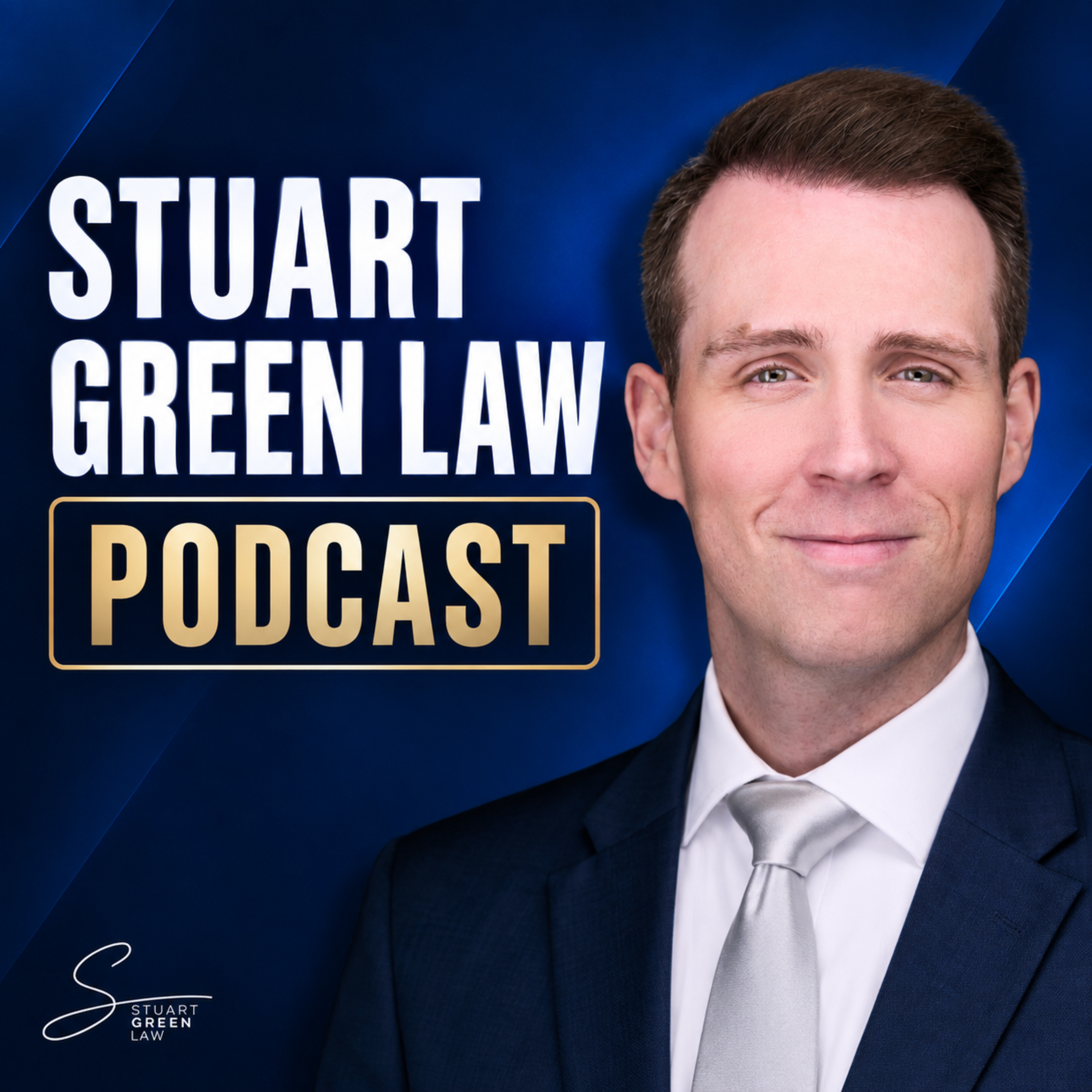
The Stuart Green Law Podcast

Planning Questions, Answered.
Sophisticated estate planning naturally raises important questions. Below are answers to some of the topics families most frequently ask as they evaluate modern estate planning, South Dakota trusts, and long-term wealth stewardship.
-
Traditional estate planning focused primarily on transferring assets after death and avoiding probate. Modern estate planning takes a broader view, integrating trust law, tax strategy, asset protection, wealth management, family governance, and fiduciary planning into a unified framework that supports families throughout their financial lives and across generations.
-
South Dakota has become one of the nation’s leading trust jurisdictions because its laws offer enhanced privacy, flexible trust administration, dynasty trusts, directed trusts, and strong asset protection. These statutory advantages allow families to build planning structures that are often more adaptable and effective than those available in many other states.
-
No. Families from across the United States and around the world can benefit from South Dakota trust law without relocating. The governing law of the trust is determined by the trust’s structure and administration, not by where the grantor or beneficiaries reside.
-
Stuart Green Law serves families whose planning needs extend beyond traditional estate planning. Clients often have significant business interests, investment portfolios, or multigenerational wealth and are looking for an integrated approach that combines estate planning, tax strategy, wealth management, and long-term trust administration.
-
Absolutely. Modern estate planning is most effective when legal, tax, and financial professionals work together. Stuart Green Law regularly collaborates with clients’ existing advisors to ensure each part of the planning strategy supports the others.
-
Yes. In appropriate situations, Stuart Green Law may serve in fiduciary roles within the trusts the firm drafts, allowing the attorney who understands the planning structure and its original intent to continue providing guidance as the trust is administered over time.
-
Estate planning establishes the legal framework for preserving wealth, while wealth management helps ensure that framework achieves its intended purpose. By coordinating legal planning with investment, tax, and financial strategy, families can build a more cohesive approach to long-term wealth stewardship.